A ladder falls from a pickup truck on I-10. A mattress flies off a moving van on Highway 70. Unsecured cargo tumbles from a flatbed truck near the Las Cruces exit. Within seconds, multiple vehicles swerve, brake hard, or collide, transforming a single piece of debris into a multi-vehicle accident. These secondary accidents raise complex liability questions that many injured victims don’t know how to navigate. When debris from trucks causes chain-reaction crashes, determining fault requires examining multiple potential responsible parties and understanding how New Mexico law assigns liability in these challenging situations.
Understanding Secondary Accidents Caused by Truck Debris
Secondary accidents occur when debris creates hazardous road conditions that lead to subsequent collisions. Unlike direct impact crashes where a truck strikes another vehicle, these accidents happen because drivers react to debris in the roadway, often with devastating results.
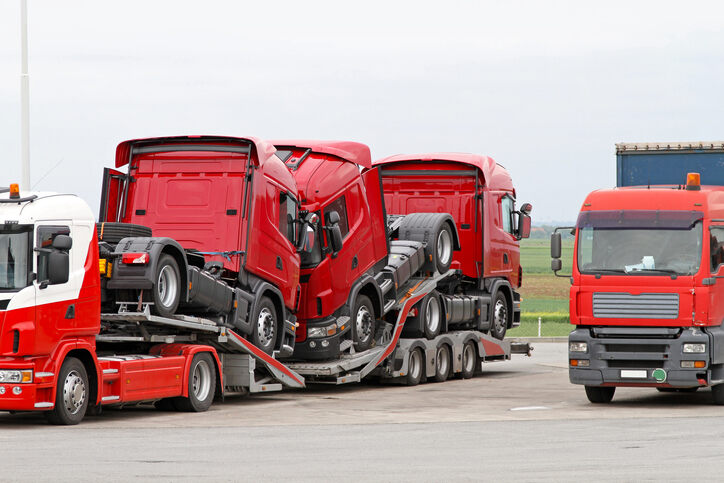
Common debris-related scenarios include:
- Unsecured cargo that falls from commercial trucks, including construction materials, equipment, furniture, or landscaping supplies
- Tire treads that separate from truck wheels and remain in traffic lanes
- Mechanical parts that detach from poorly maintained vehicles
- Cargo straps or tarps that come loose and obstruct the driver’s visibility
The challenge in these cases is that the truck responsible for dropping debris may be long gone by the time the secondary accident occurs. Victims often don’t know which vehicle lost the debris, making fault determination particularly difficult.
Who Bears Liability for Debris-Related Accidents?
New Mexico law requires all drivers to properly secure their cargo. When debris causes accidents, several parties may be liable:
The Original Truck Driver or Owner: If investigators can identify the vehicle that lost the debris, the driver or vehicle owner typically bears primary responsibility. They violated their duty to ensure cargo was properly secured before traveling on public roads.
The Trucking Company: When commercial vehicles are involved, the trucking company may be liable for failing to train drivers on proper cargo securement, inadequately maintaining vehicles, or pressuring drivers to meet schedules without taking time to properly secure loads.
Cargo Loading Companies: Third-party companies that load trucks may be responsible if improper loading techniques caused cargo to shift or fall. These cases often require examining loading procedures and industry standards.
Maintenance Providers: When mechanical failures cause parts to detach, such as tire blowouts from inadequate maintenance, the companies responsible for vehicle maintenance may share liability.
Government Entities: In some situations, governmental agencies may bear partial responsibility if they failed to promptly remove known hazards from roadways or didn’t adequately warn drivers about debris.
The Investigation Process
Proving fault in debris-related secondary accidents requires a thorough investigation. Key evidence includes:
- Traffic camera footage that may have captured the debris falling or the original vehicle
- Witness statements from drivers who saw debris fall or can identify the responsible vehicle
- Debris analysis to determine what type of vehicle likely carried the item
- Accident scene documentation showing debris location, skid marks, and vehicle positions
- Federal Motor Carrier Safety Administration (FMCSA) records if commercial trucks are involved
According to FMCSA cargo securement regulations, commercial vehicle operators must follow specific requirements for securing different types of cargo. Violations of these federal standards can establish negligence in liability claims.
Time is critical in these investigations. Debris may be cleared quickly, witnesses may leave the scene, and surveillance footage often has limited retention periods. Immediate action to preserve evidence significantly improves the chances of identifying responsible parties.
Comparative Negligence Considerations
New Mexico’s comparative negligence system affects recovery in debris-related accidents. Insurance companies often argue that drivers who hit debris could have avoided the accident by maintaining greater following distances or driving more carefully. While these arguments sometimes have merit, courts recognize that debris in roadways creates sudden, unavoidable hazards that give drivers little time to react safely.
Your compensation may be reduced if you share partial fault, but you can still recover damages unless you’re found more than 50% responsible. An experienced attorney can counter unfair blame-shifting tactics and protect your right to full compensation.
Protecting Your Rights After a Debris-Related Accident
At Hit By A Truck Call Chuck, we understand the unique challenges of truck accident cases involving debris and secondary collisions. Our firm thoroughly investigates these incidents to identify all responsible parties, even when the source of debris isn’t immediately apparent.
We act quickly to preserve critical evidence, work with accident reconstruction professionals to establish how debris caused the collision, and pursue compensation from every liable party. Whether your case involves a commercial trucking company, a negligent driver, or multiple responsible entities, we’re committed to holding them accountable for your injuries and losses.
Don’t let insurance companies minimize your claim by suggesting the debris was unavoidable or that you should have reacted differently. Contact us today to discuss your debris-related accident and learn how our experienced truck accident attorney in Las Cruces can help you pursue the compensation you deserve for medical expenses, lost wages, vehicle damage, and pain and suffering.